In the UAE, a brand has to feel premium in both English and Arabic. Here is how to design an identity, website and packaging that work beautifully in both scripts.
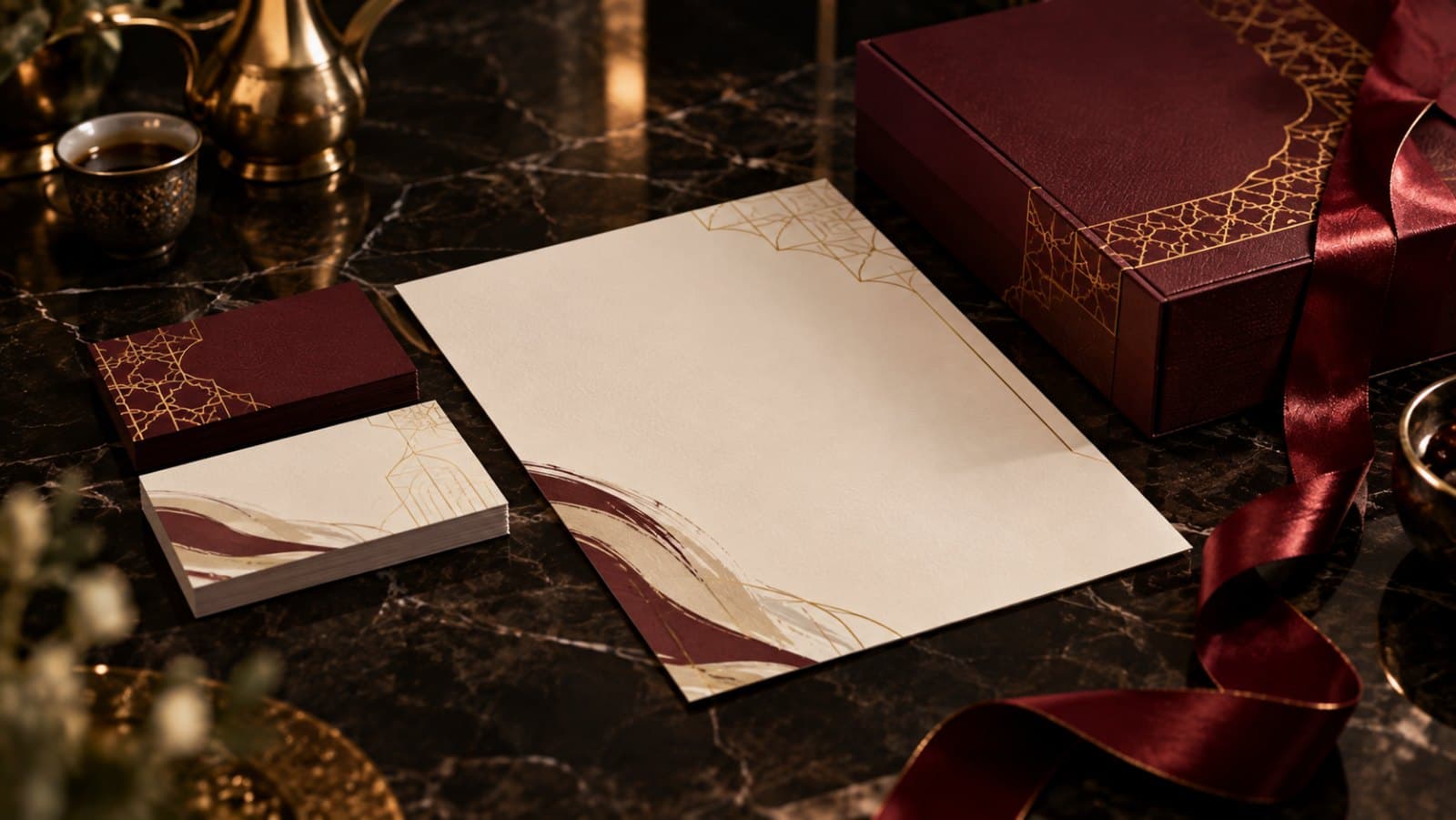
Short answer: a strong bilingual brand in the UAE is designed in both languages from day one. That means pairing an Arabic typeface with your English one so they share weight and character, planning layouts that mirror cleanly from left-to-right to right-to-left, and writing the Arabic name and messaging with native speakers rather than translating at the end.
Why bilingual branding matters in the UAE
The UAE audience is international and multilingual. English dominates in business and retail, but Arabic carries trust, respect and cultural belonging, and is required in many official and government-facing contexts. Brands that treat Arabic as an afterthought look imported. Brands that design for both look like they belong.
Start with the name
Check how your name sounds, reads and is written in Arabic before you commit. Some names translate; others are transliterated. Either way, test it with native speakers for meaning, tone and any unintended associations.
Pair your typefaces deliberately
Latin and Arabic scripts have different proportions, baselines and rhythms. Choose an Arabic typeface designed to sit with your English one, or a type family drawn for both. Match weight and contrast so a bilingual sign or card feels like one voice.
Design layouts that mirror
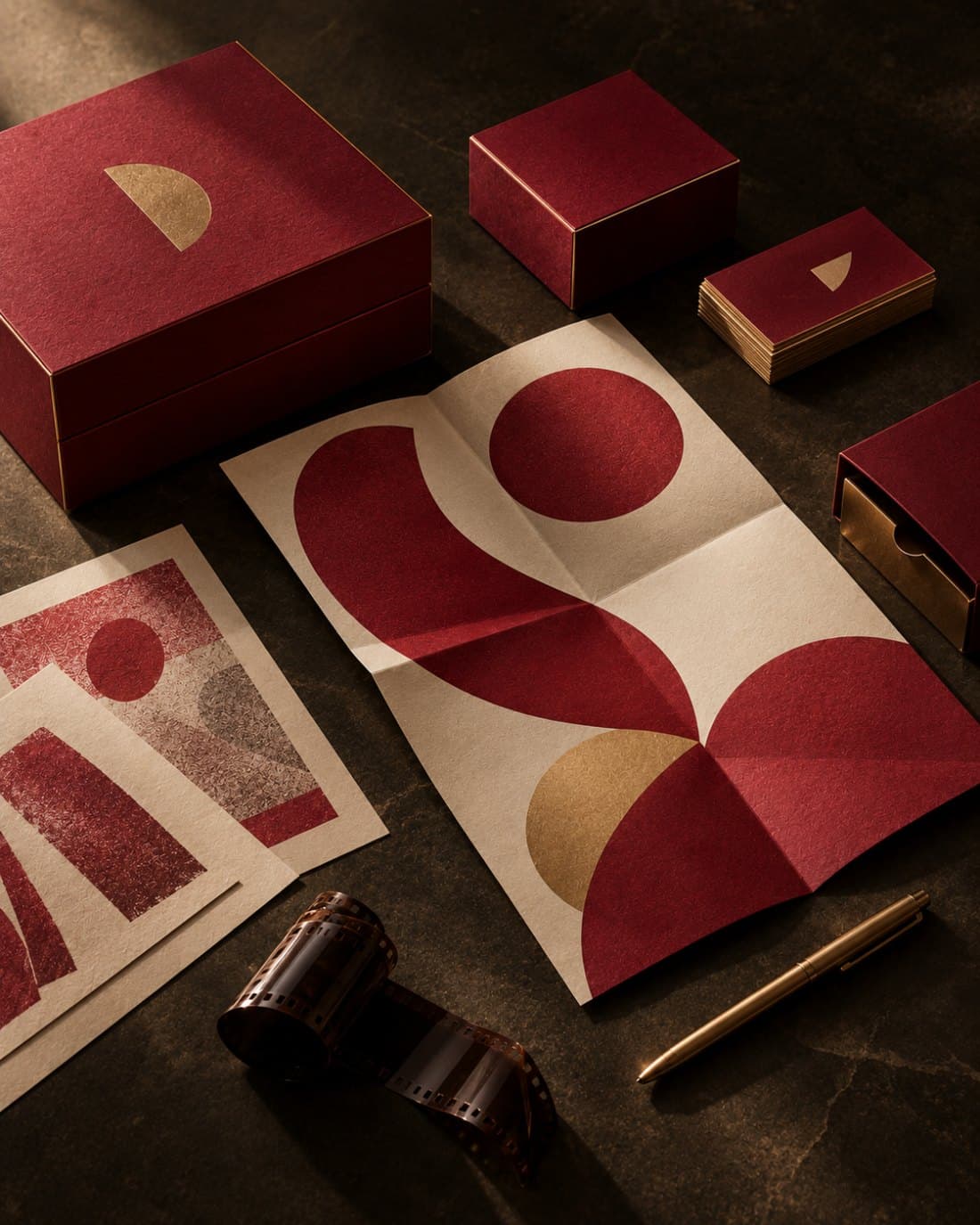
Arabic reads right to left. Websites and apps need true RTL layouts, not just right-aligned text: navigation, icons with direction, carousels and forms all flip. Plan grids that work both ways and test real Arabic copy, not placeholder text.
Use cultural cues with care
Pattern, calligraphy and colour can root a brand in the region, but clichés date quickly. Use them with restraint and purpose, and pair them with a modern system so the brand feels contemporary rather than themed.
A bilingual brand checklist
- Arabic name and tagline written with native speakers.
- Paired Arabic and Latin typefaces with matched weight and contrast.
- Logo lockups for English only, Arabic only and bilingual use.
- RTL-ready website and app layouts, tested with real Arabic content.
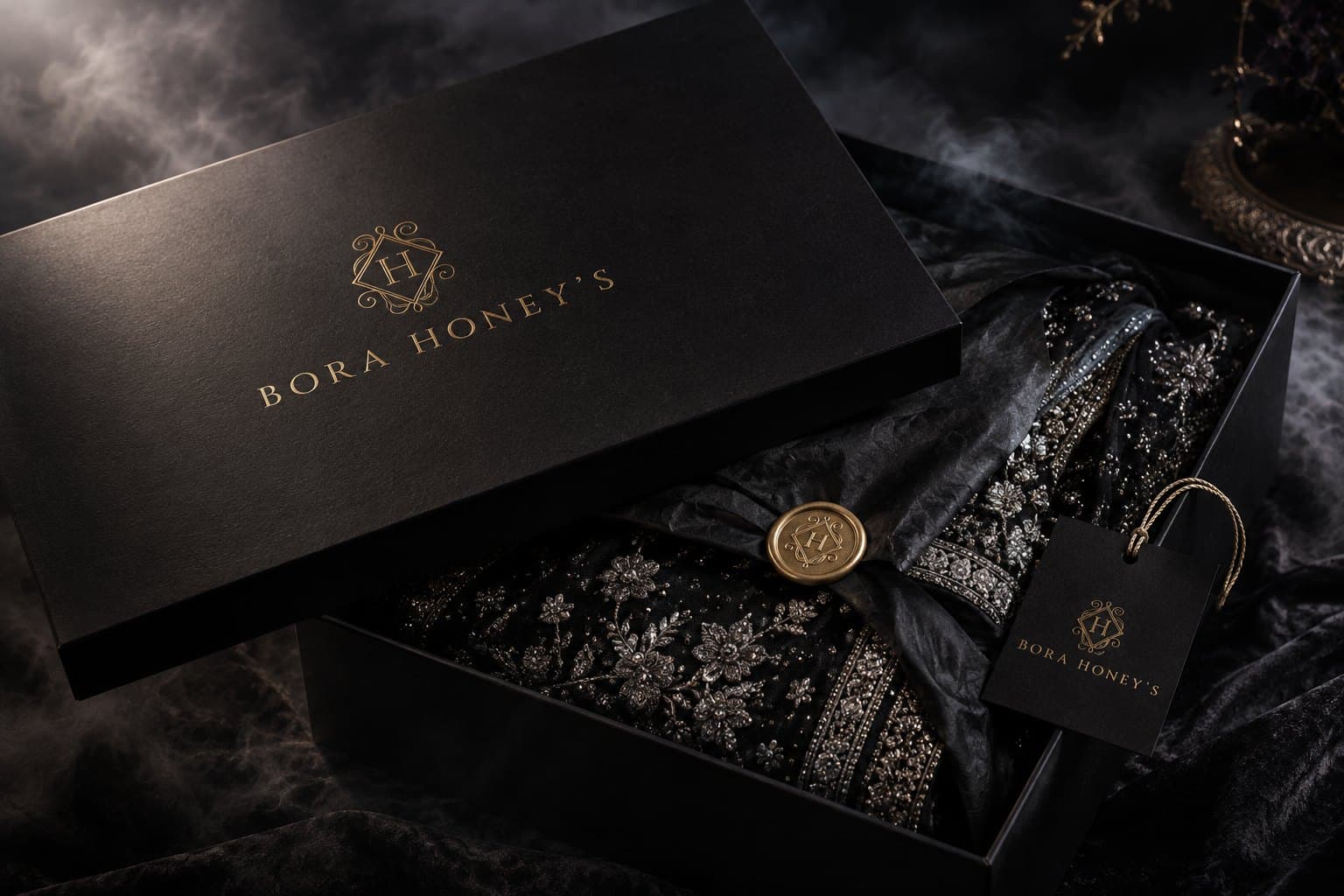
- Bilingual templates for signage, packaging, social and documents.
Frequently asked questions
Does my brand need an Arabic version in the UAE?
For most consumer, retail, hospitality and real estate brands, yes. Arabic builds trust, is expected in many contexts and makes signage and official documents straightforward.
Should I translate or transliterate my brand name into Arabic?
It depends on the name. Descriptive names often translate; invented or founder names are usually transliterated. Test both with native speakers before deciding.
Can a website switch between Arabic and English properly?
Yes, with a true right-to-left layout for Arabic, separate content for each language and correct language tags for search engines. The BrandBerry builds bilingual websites for UAE brands this way.
Want this for your brand?
Book a free strategy callKeep reading
Shopify vs Custom E-commerce for UAE Brands
Shopify gets most UAE brands selling fast. Custom or headless builds win when you need bilingual depth, complex catalogues or unusual checkout flows. Here is how to choose.
26 August 2026 · 9 min readHow to Choose an App Development Company in Dubai (2026 Buyer's Guide)
Dubai has hundreds of app developers claiming to be number one. Use these criteria to shortlist a partner that will ship a product UAE users actually keep.
14 May 2026 · 9 min readHow to Choose a Branding Agency in the USA: A 2026 Guide for Founders
The best branding agency for a US company is the one that understands your category, puts senior people on your account and can show work that moved real businesses. Here is how to tell them apart.