Should a growing UAE company buy an off-the-shelf ERP or build its own? A plain-English guide to the trade-offs, the warning signs and a hybrid path most teams overlook.
Short answer: buy off-the-shelf software when your processes are standard and you can adapt to the tool. Build a custom ERP, or extend a platform with custom modules, when your workflows are what make you competitive, when you need deep Arabic and UAE compliance support, or when you are paying for five disconnected tools that still need spreadsheets to glue them together.
What an ERP actually does
An ERP (enterprise resource planning system) is the single place where a business runs its operations: sales, purchasing, inventory, finance, HR, payroll and reporting. When it works, everyone sees the same numbers. When it does not, teams retype data between systems and decisions wait for someone to build a report.
When off-the-shelf is the right call
Packaged ERPs such as Odoo, Zoho, SAP Business One and Microsoft Dynamics exist because most companies share the same core processes. They are a good fit when:
- Your accounting, invoicing and inventory follow common patterns.
- You can change how you work to match the software, rather than the other way round.
- You need to go live quickly with a proven, supported product.
- Your team is small and you do not want to own a codebase.
When custom software pays for itself
Custom ERP development makes sense when the software has to fit the business, not the reverse. Typical signs:
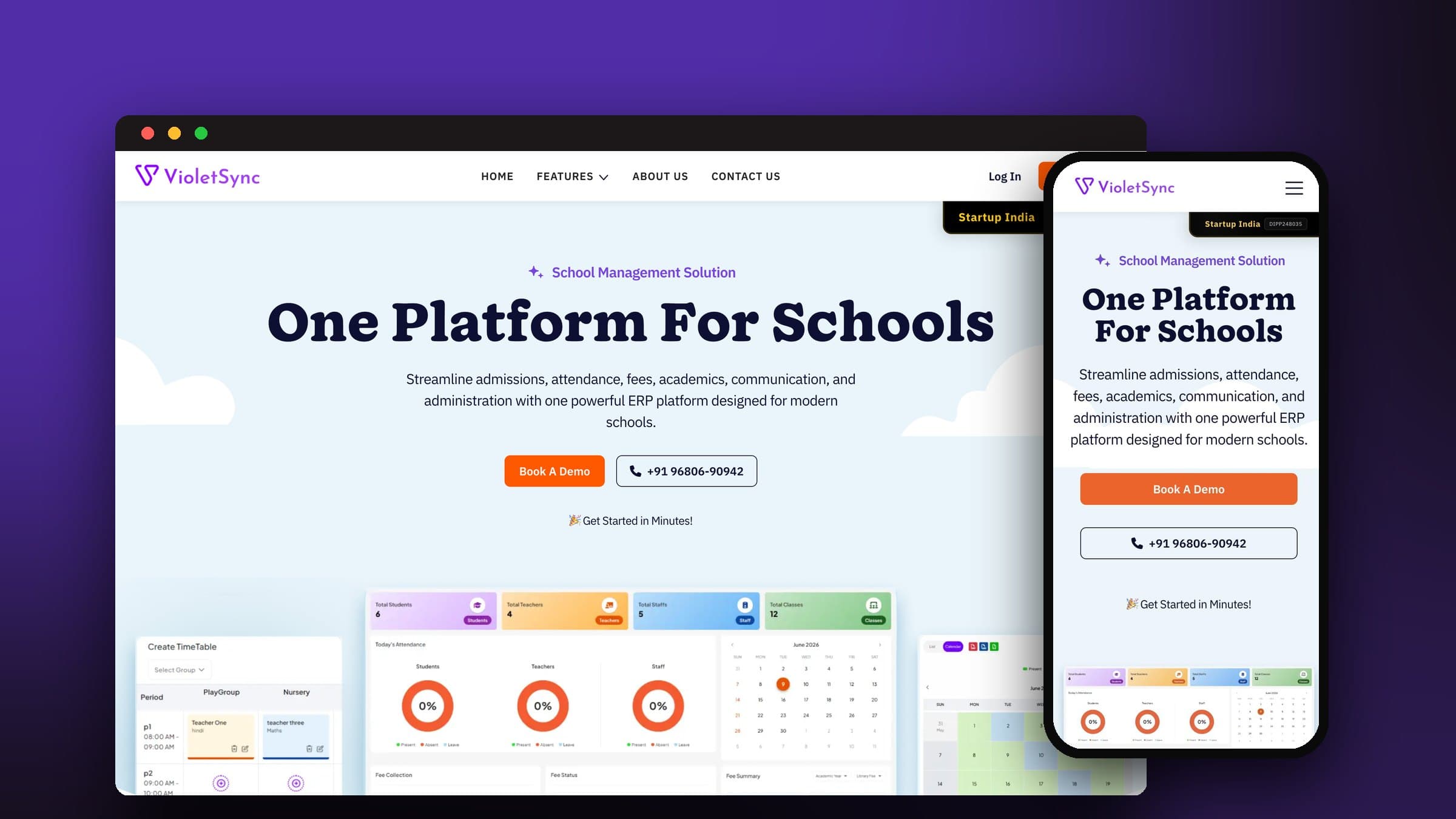
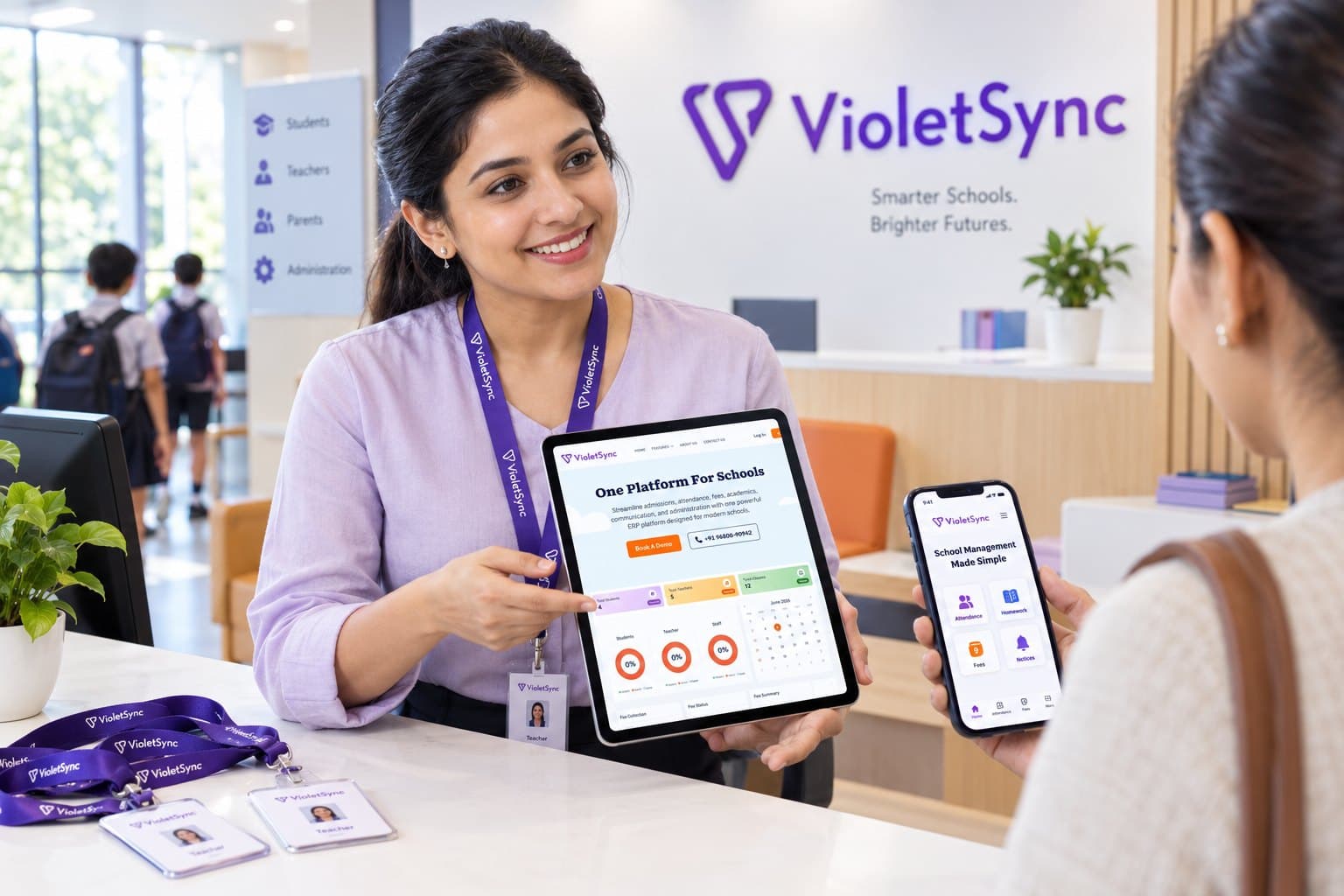
- Your core process is unusual: a school managing admissions, fees, transport and exams; a real estate developer tracking units, payment plans and brokers; a service business dispatching technicians by area.
- You rely on spreadsheets and WhatsApp messages to fill the gaps between tools.
- Licence costs grow with every user, while you only use a fraction of the features.
- You need a mobile app for staff, customers or parents that talks to the same data.
- Arabic interfaces, right-to-left documents, VAT-ready invoices and local payment gateways are afterthoughts in the tools you have tried.
The hybrid path most companies miss
It is rarely all or nothing. Many UAE businesses keep a packaged system for accounting and build custom modules or a separate operations platform on top, connected through APIs. You keep the reliability of proven finance software and get a tailored tool for the work that sets you apart.
Questions to answer before you decide
Which processes are unique to us?
List the five workflows that take the most time. If they are standard, configure. If they are your competitive edge, consider building.
Who will use it, and on what devices?
Field staff, drivers, parents and customers often need a simple mobile app, not a desktop ERP screen.
What must it integrate with?
Banks, payment gateways, WPS payroll, e-invoicing, CRMs, e-commerce stores and government portals all shape the architecture.
Who will own and maintain it?
A custom system should come with documentation, full source code ownership and a support plan, so you are never locked in to one vendor.
How we approach ERP projects
We start with discovery: mapping your workflows, users and integrations, then recommending configure, build or hybrid. Custom systems are delivered in two-week sprints with a demo at the end of each one, starting with the module that removes the most manual work. Everything is designed in English and Arabic from day one, and you own the code, the cloud accounts and the data.
Frequently asked questions
Is a custom ERP better than Odoo or Zoho?
Not always. Packaged tools win for standard processes. Custom software wins when your workflows are specific, when you need tailored mobile apps, or when you are stitching together many tools that still do not fit.
How long does a custom ERP take to build?
A first module usually goes live in 8 to 12 weeks, with further modules released in phases. Building in phases lets your team adopt the system gradually.
Can a custom ERP support Arabic?
Yes. A well-built system supports right-to-left layouts, Arabic typography, bilingual documents and Arabic data entry throughout.
Does The BrandBerry build ERP software for UAE companies?
Yes. We design and build ERPs, CRMs, portals and the mobile apps around them for companies in Dubai, Abu Dhabi, Sharjah and across the UAE.
Want this for your brand?
Book a free strategy callKeep reading
How to Write a Software Development Brief (With a Free Template)
A clear brief gets you better proposals, more accurate timelines and fewer surprises. Here is what to include when you brief a web, app or software development company, with a template you can copy.
16 September 2026 · 7 min readShopify vs Custom E-commerce for UAE Brands
Shopify gets most UAE brands selling fast. Custom or headless builds win when you need bilingual depth, complex catalogues or unusual checkout flows. Here is how to choose.
26 August 2026 · 9 min readHow to Choose an App Development Company in Dubai (2026 Buyer's Guide)
Dubai has hundreds of app developers claiming to be number one. Use these criteria to shortlist a partner that will ship a product UAE users actually keep.