The best branding agency for a US company is the one that understands your category, puts senior people on your account and can show work that moved real businesses. Here is how to tell them apart.

Short answer: choose the agency that asks better questions than you do in the first call, puts senior strategists and designers on your work rather than juniors, and can show identities that held up in the real world, not just in a portfolio. Location matters far less than it did. Most US founders now hire on fit, craft and process, and work with their agency remotely.
What does a branding agency actually do for a US company?
A branding agency defines what your company stands for and turns that into a system people recognise. In practice that means positioning (the one idea you want to own in your customer's head), messaging, a name if you need one, a logo and visual identity, guidelines, and the first touchpoints: website, packaging, decks and social templates.
In the US the bar is high because customers compare you with national brands in the same scroll. A Brooklyn coffee roaster is judged next to Blue Bottle. A Series A SaaS company is judged next to Linear and Notion. Your brand has to look like it belongs in that company on day one.
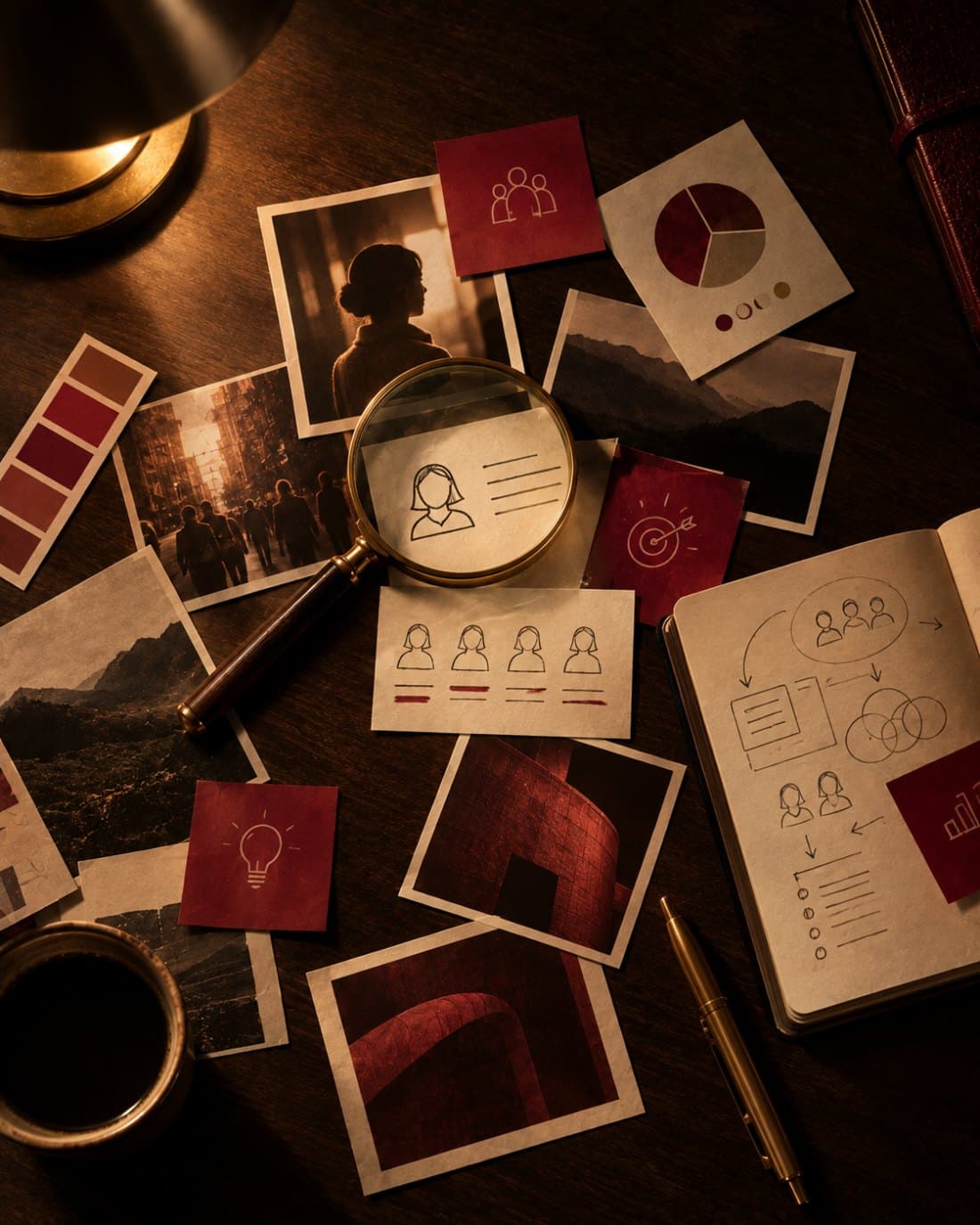
The six questions that separate great agencies from good ones
1. Who will actually do the work?
Many agencies sell with partners and deliver with juniors. Ask by name who will lead strategy, design and the website, and how much of their week your project gets. Founder-led and senior-led studios win here because the person you meet is the person who designs.
2. How do they start?
If the first deliverable is a logo, walk away. Strong agencies begin with discovery: interviews, competitor audits and a positioning workshop. The identity should be the answer to a strategic question, not a mood board someone liked.
3. Can they show work that survived contact with reality?
Ask to see identities in use: packaging on a shelf, a website live for a year, signage on a street. Brand work that only exists as presentation mockups tells you nothing about how the system behaves when a real marketing team uses it every day.
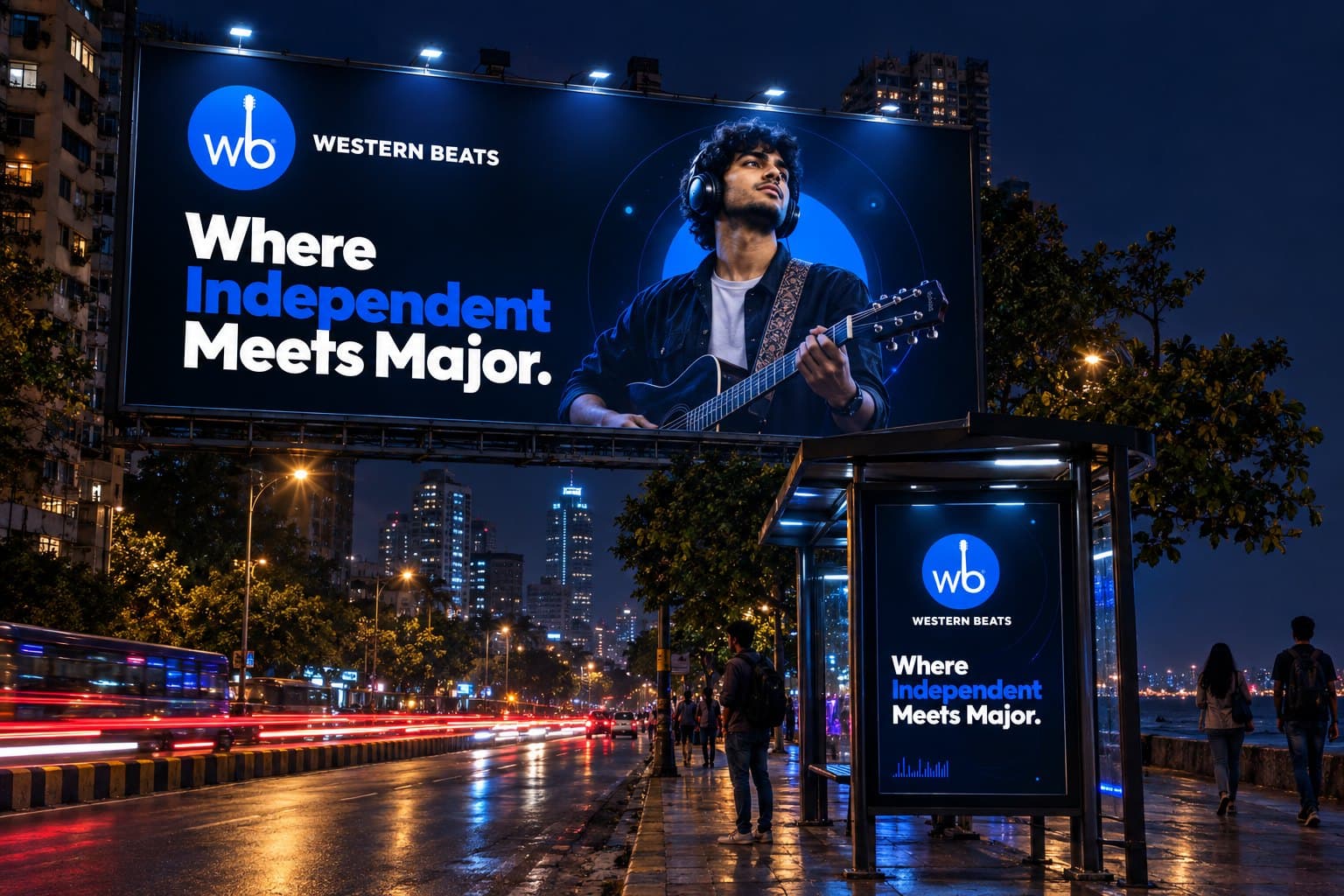
4. Do they design and build?
Your brand meets most US customers on a website or an app. Agencies that hand over a logo and leave the build to someone else create a gap where quality leaks out. Look for a team that designs the identity and also ships the site, the e-commerce store or the product UI.
5. How do they handle feedback and decisions?
Ask how many concept routes you will see, how rounds of feedback work and who has the final say. Clear process protects your timeline and stops design-by-committee.
6. Will they still be there after launch?
Launch is when a brand starts being tested. The best partners stay for the first campaign, watch what lands and refine the system. Ask what happens in the 90 days after go-live.
Should a US company hire a local agency or a remote one?
Hire for fit, not postcode. Workshops, reviews and approvals all happen over video now, and design files live in shared tools. What matters is overlap with your working day and a single senior point of contact. A studio that runs calls in your morning or early evening and builds while you sleep can move faster than a local agency juggling a large roster.
The right agency should make you feel slightly uncomfortable in the first call. If they only agree with you, they will only decorate what you already have.
Red flags to watch for
- A logo before any strategy or research.
- A portfolio of mockups with no live, in-use work.
- Vague answers about who leads your project.
- No plan for the website, packaging or product that carries the brand.
- Pressure to sign before you have seen a written, fixed scope.
How long does a branding project take?
A focused identity typically takes three to five weeks from kickoff to guidelines. Add a few weeks if you need naming, a full website or packaging. Agencies that quote much faster are usually skipping discovery; much slower usually means too many layers between you and the people doing the work.
Frequently asked questions
What is the best branding agency in the USA for startups?
The best one for you is senior-led, starts with strategy, can show live work in your category and can design and build the website or product that carries the brand. Shortlist three, ask the six questions above and choose on chemistry and process.
Can a branding agency outside the US work with American companies?
Yes. Many US founders work with studios abroad that run calls in US hours, write in US English and benchmark against American competitors. The BrandBerry works this way with US startups and D2C brands.
What should a branding agency deliver?
At minimum: positioning and messaging, a logo and visual identity, colour and type systems, brand guidelines and templates for the touchpoints you use most. Strong agencies also design and build the website or product that carries it.
How do I brief a branding agency?
Share your goals, audience, competitors, what is not working today, your timeline and who signs off. The more honest the brief, the sharper the strategy.
Want this for your brand?
Book a free strategy callKeep reading
How to Write a Software Development Brief (With a Free Template)
A clear brief gets you better proposals, more accurate timelines and fewer surprises. Here is what to include when you brief a web, app or software development company, with a template you can copy.
9 July 2026 · 8 min readMVP Development for US Startups: A Step-by-Step Guide (2026)
How US founders scope, design and launch a minimum viable product in weeks, and how to choose the right MVP development partner.
10 March 2026 · 8 min readBranding for US D2C and SaaS Startups: What Wins in 2026
American D2C and SaaS markets are crowded, fast and unforgiving. These are the brand moves that help startups stand out, convert and raise.