American D2C and SaaS markets are crowded, fast and unforgiving. These are the brand moves that help startups stand out, convert and raise.
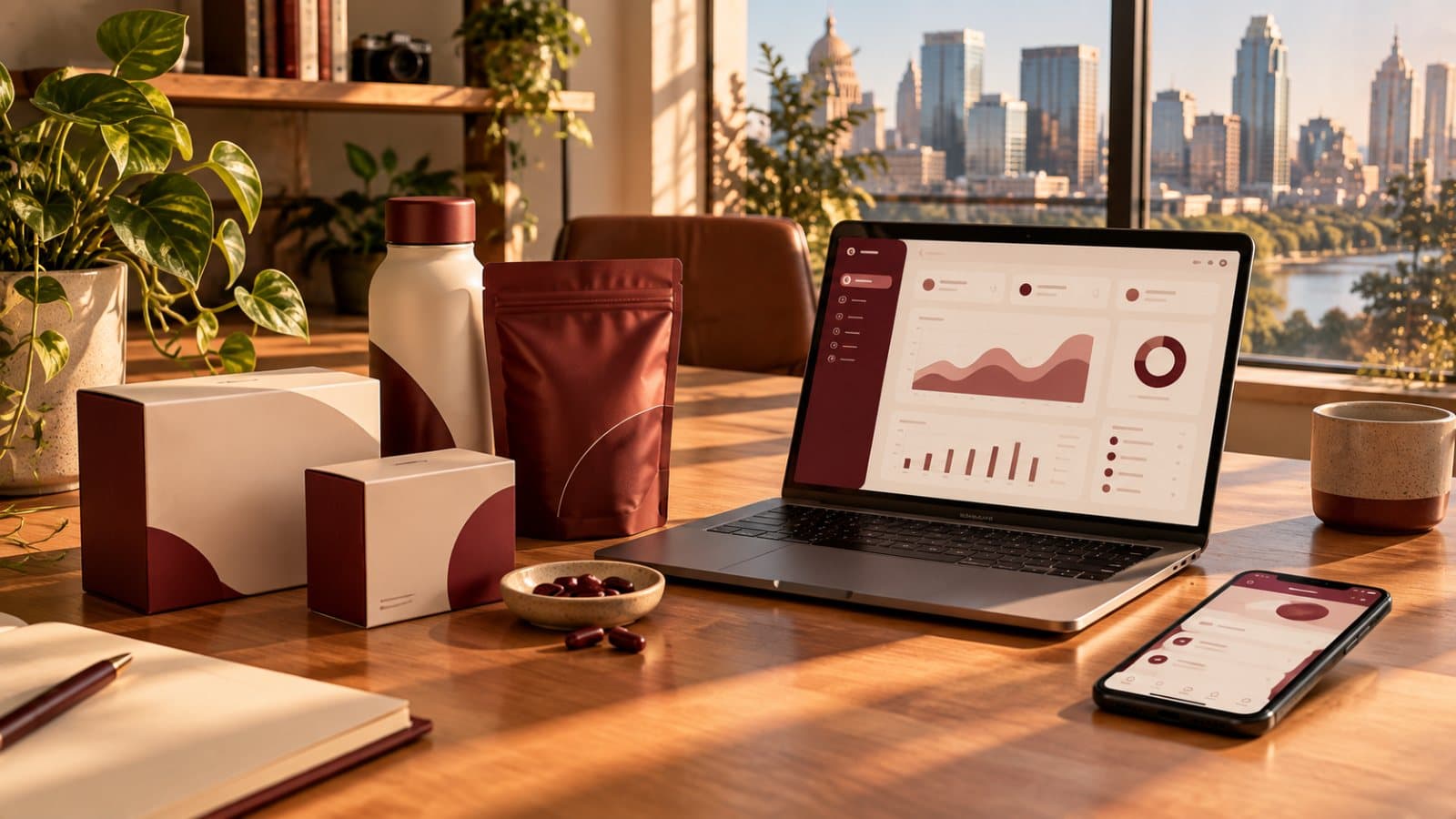
Short answer: in the US, the startups that win on brand pick one sharp idea, express it with a distinctive visual system and make every touchpoint, from the ad to the checkout or the onboarding screen, feel like the same company. Consistency beats cleverness, and speed to a credible brand beats a perfect one that ships late.
Why branding matters more for US startups now
Customer acquisition in the US is expensive and competitive. When paid channels get crowded, the brand does the work that ads cannot: it makes people remember you, trust you faster and come back without being retargeted. Investors notice too. A clear, confident brand signals a team that knows what it is building and who it is for.
What wins for D2C brands
A product-first identity
The packaging, the product page and the unboxing are the brand. Design them together. A logo that looks great on a slide but disappears on a pouch is not doing its job.
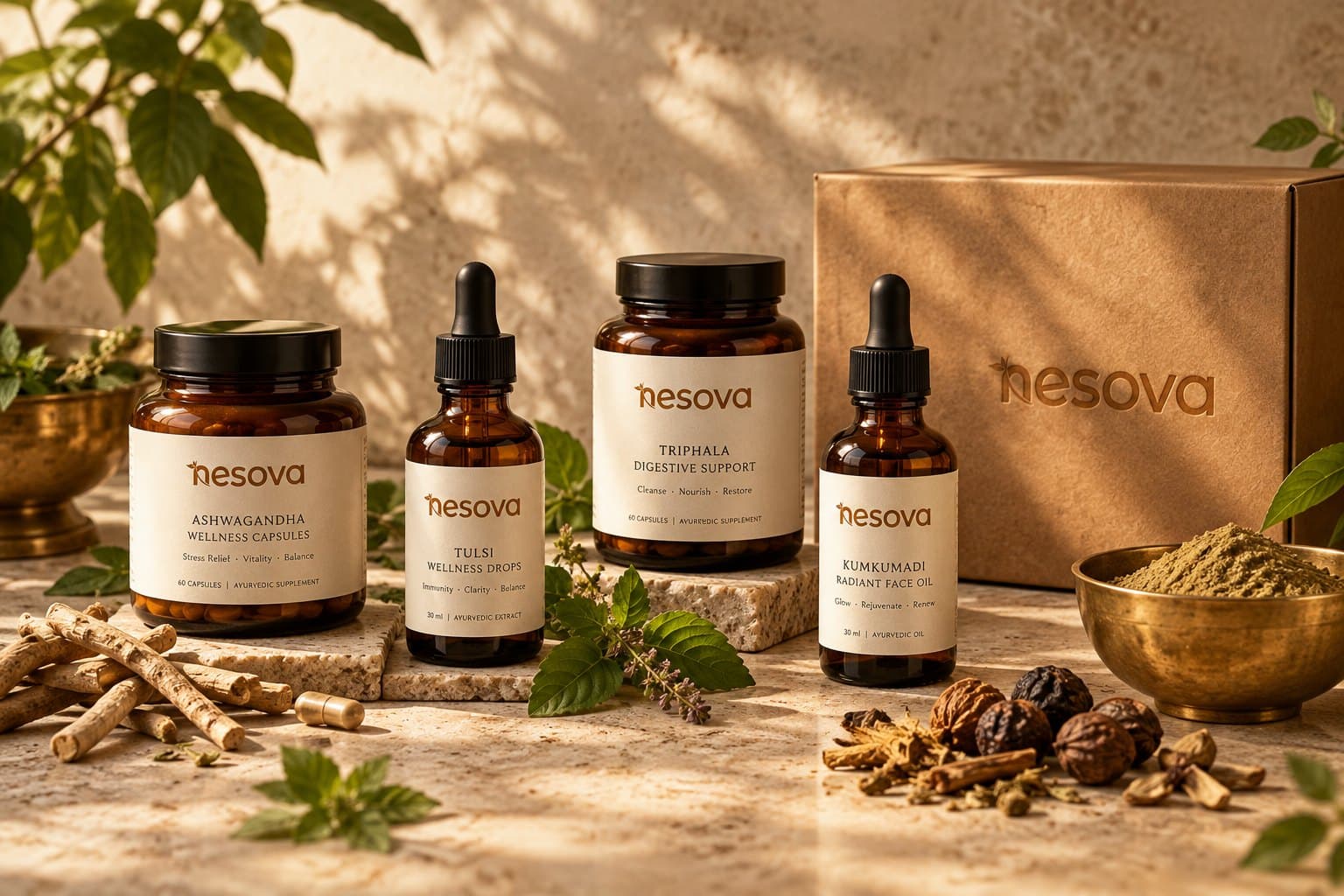
A point of view, not a category description
Clean ingredients, sustainable and premium are table stakes. The brands that break out say something specific about who they are for and what they refuse to do.
A system built for content
Most D2C growth now runs through social and creators. Build an identity that flexes: a type system that works in captions, a colour palette that survives filters and templates your team can move fast with.
What wins for SaaS startups
Clarity over cleverness
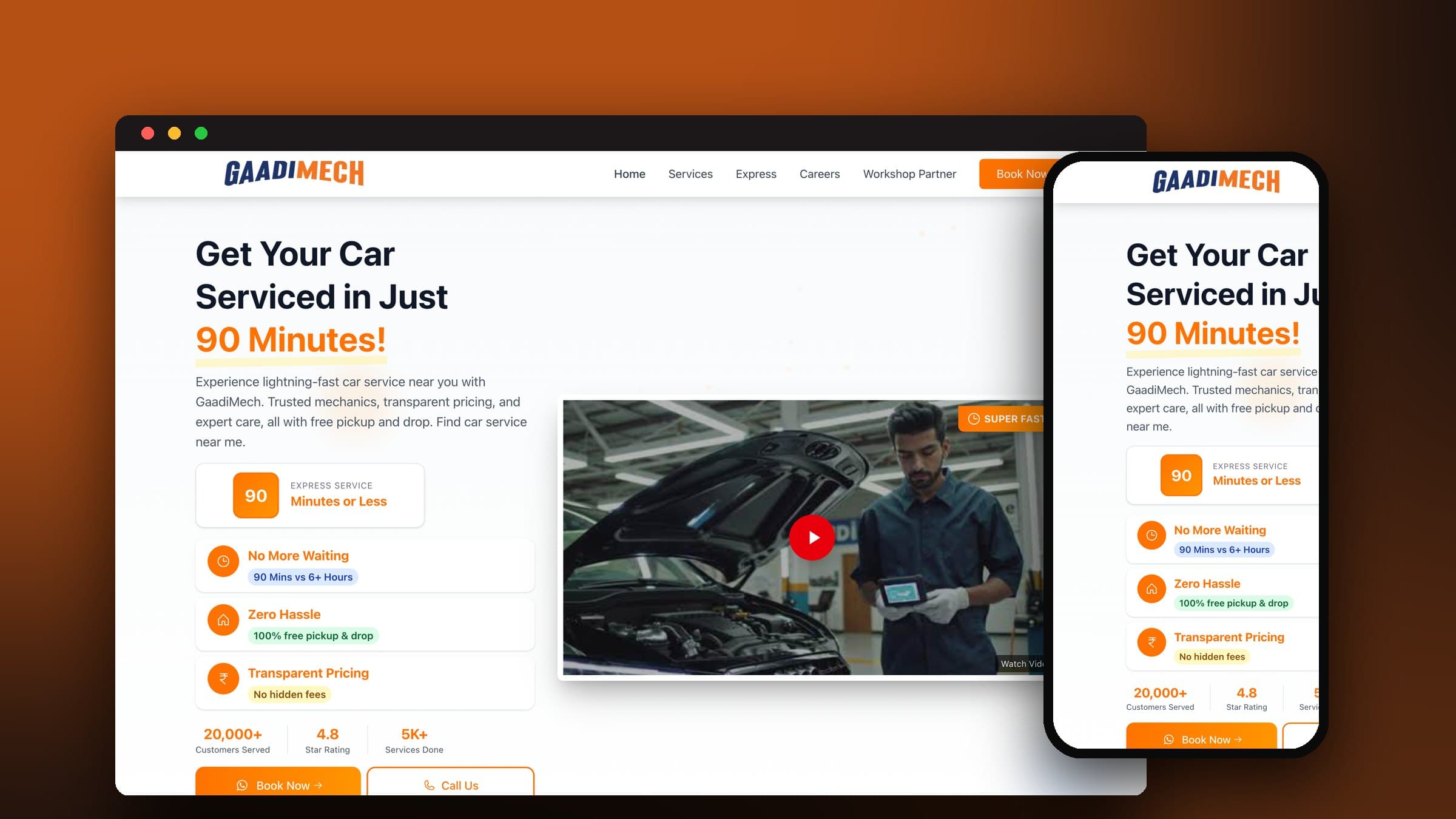
Buyers should understand what you do within five seconds of landing on your site. Strong SaaS brands pair a simple, confident headline with product visuals that show the actual interface.
Product and brand as one design language
Your UI is your most-used brand touchpoint. The marketing site, the app, the docs and the sales deck should share type, colour, iconography and tone. Disconnected product and marketing design is one of the clearest signs of an early-stage company.
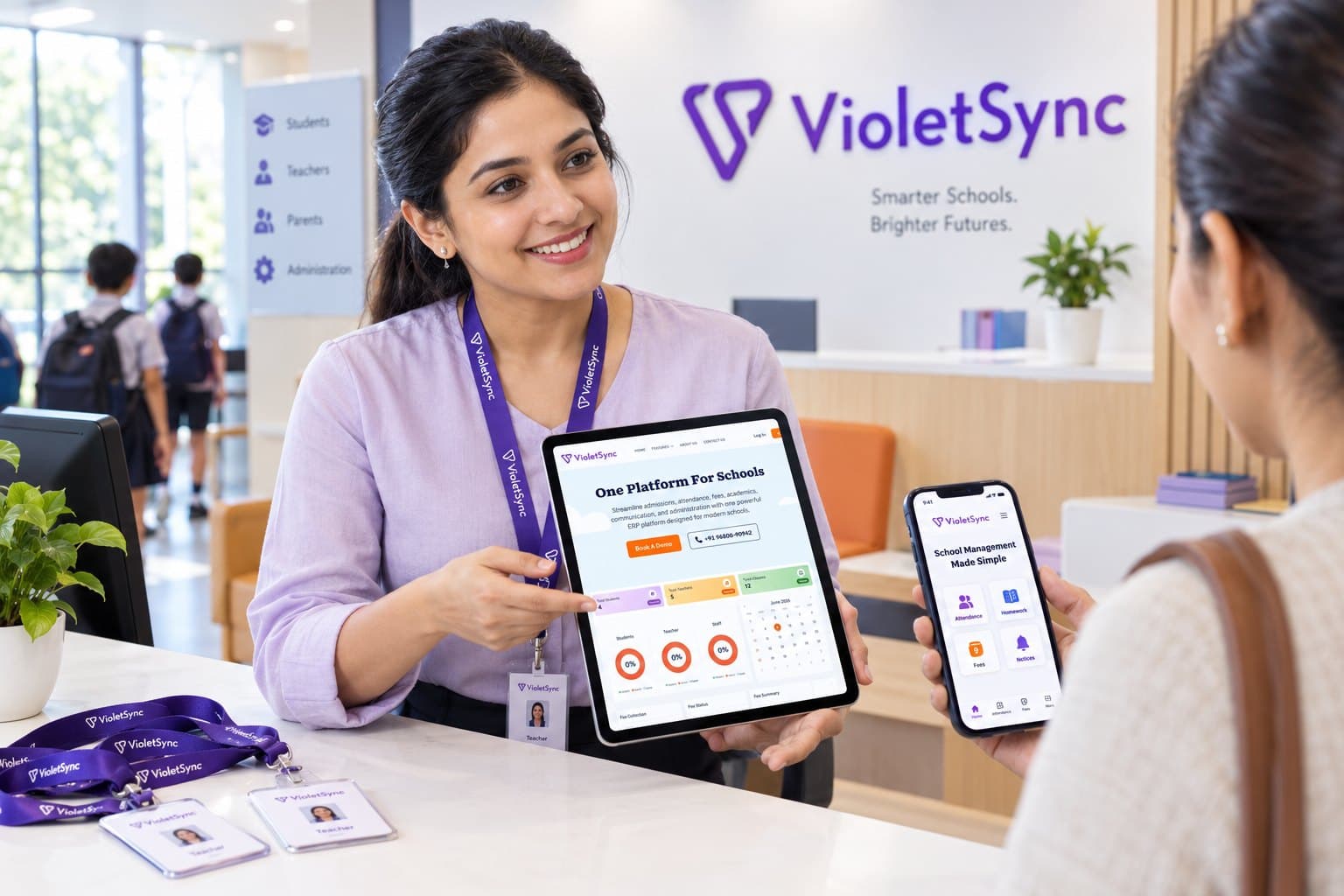
Proof everywhere
Logos of customers, short case studies and real numbers you are allowed to share do more than any adjective. Design space for proof from the start.
A practical brand checklist for US startups
- Write one positioning sentence: for whom, what problem, why you.
- Choose a distinctive asset you can own: a colour, a shape, a typographic voice.
- Design the website and the product together, not one after the other.
- Create templates for ads, social and decks so the team stays consistent at speed.
- Show proof: customers, results and real product screens.
- Review the brand after launch with data from real campaigns.
Frequently asked questions
When should a startup invest in branding?
Before you spend heavily on acquisition or raise a priced round. A credible brand lowers the cost of every channel that follows and makes investor conversations easier.
What is the difference between a brand and a logo for a startup?
The logo is one asset. The brand is the full system: positioning, messaging, visual identity, voice and how they show up across product, site, packaging and campaigns.
Can one studio handle branding, the website and the app?
Yes, and it usually produces a more consistent result. The BrandBerry designs identities and builds websites, apps and software for US startups under one team.
Want this for your brand?
Book a free strategy callKeep reading
How to Write a Software Development Brief (With a Free Template)
A clear brief gets you better proposals, more accurate timelines and fewer surprises. Here is what to include when you brief a web, app or software development company, with a template you can copy.
9 July 2026 · 8 min readMVP Development for US Startups: A Step-by-Step Guide (2026)
How US founders scope, design and launch a minimum viable product in weeks, and how to choose the right MVP development partner.
14 May 2026 · 9 min readHow to Choose a Branding Agency in the USA: A 2026 Guide for Founders
The best branding agency for a US company is the one that understands your category, puts senior people on your account and can show work that moved real businesses. Here is how to tell them apart.